Choosing the Right Gloves for Airsoft Play
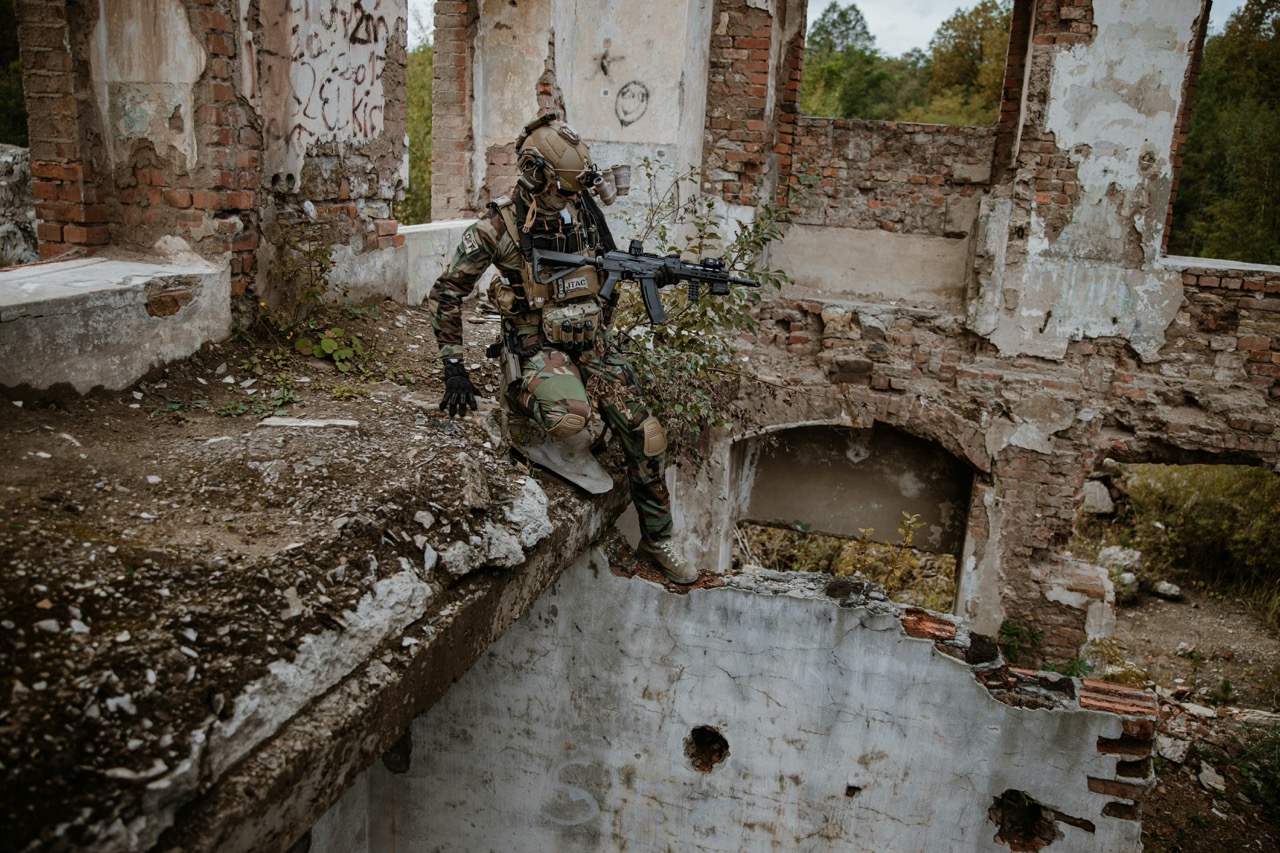
Hands take a beating in airsoft that new players rarely anticipate. Between BB hits at moderate range, scraped knuckles from crawling through brush or diving behind cover, and the occasional pinch from gear malfunctioning mid-reload, gloves solve more problems than they cause once you find a pair that doesn't fight your trigger control.
Why Bare Hands Are a Bad Default
A direct BB hit to the back of the hand at close range stings enough to be memorable, and repeated hits over a long game day add up. Outside of BB impacts, hands are also the part of the body most exposed to cuts, scrapes, and pinch injuries from terrain, gear, and other players' equipment. The general logic behind requiring hand protection in any environment with a foreseeable hazard, laid out in OSHA's hand protection standard, 29 CFR 1910.138, is that gloves should be selected based on the actual tasks and conditions at hand, not worn or skipped out of habit. For airsoft, that means thinking through what a typical game day for you looks like: mostly upright movement in open woodland, or a lot of crawling, climbing, and contact with rough surfaces indoors and out.
What to Look For
Knuckle and Impact Protection
Many tactical gloves include hard knuckle protection, either rigid plastic or dense foam padding, aimed at real-world impact and abrasion resistance. In airsoft that hard protection doubles nicely as extra cushioning against direct BB hits to the back of the hand, without adding meaningful bulk to your grip.
Palm Dexterity
The single biggest complaint players have about gloves is losing trigger feel and magazine-release dexterity. Thin, pre-curved, or textured palm material on the fingers matters more than overall thickness. Try to test grip and trigger pull with any glove before committing to it for a full game day, since a glove that feels fine standing still can feel very different once you're actually shouldering a replica and working the safety and mag release under time pressure.
Fit and Breathability
A glove that's too loose bunches at the palm and interferes with fine motor tasks like reloading; too tight and it restricts blood flow and gets uncomfortable over a multi-hour game. Breathable material matters more than most players expect, especially for warm-weather or summer games where sweat inside a glove becomes its own distraction.
A Few Practical Notes
- Half-finger gloves preserve the most fingertip dexterity but leave fingertips exposed to direct hits
- Full-finger gloves cost a small amount of tactile feedback in exchange for full hand coverage
- Break in a new pair during casual play before relying on them in a competitive scenario
As with most protective gear in this hobby, the right choice depends on matching the equipment to how you actually play, which is exactly the selection principle behind general PPE selection guidance in any hazard environment.
Material Choices and Seasonal Swaps
Most tactical gloves use a mix of synthetic materials: nylon or polyester on the back of the hand for breathability and abrasion resistance, and synthetic leather or grippy silicone paneling on the palm and fingers for control. Full leather gloves feel durable but tend to lose dexterity as they break in stiffer than synthetic blends, and they take much longer to dry out if they get wet or sweaty. Many regular players keep two pairs: a lighter, more breathable pair for warm-weather games, and a slightly heavier, insulated pair for cold-weather play, since a glove thick enough to keep hands warm in winter is usually too warm and clumsy for a summer game day.
Maintenance and Replacement
Gloves wear out at the stress points first, typically the palm seams and the crease between the thumb and index finger, long before the outer material looks obviously damaged. Once seams start to fray or padding compresses and stops rebounding, dexterity and protection both quietly decline even though the glove still looks wearable from a distance. Checking gloves as part of a broader pre-game equipment routine catches this kind of gradual wear before it becomes a problem mid-game.
More from the blog
All posts →Essential Tools Every Airsoft Technician Should Own
A well-stocked toolbox turns gearbox surgery from a stressful gamble into a routine afternoon project.
August 26, 2026How to Clean and Maintain Your Airsoft Gun
A regular cleaning routine keeps your airsoft replica shooting straight and lasting longer, and most of it takes less time than a single game rotation.
August 25, 2026Radio Communication Basics for Airsoft Teams
A beginner-friendly introduction to using radios in airsoft: call signs, brevity, and the basic discipline that keeps a channel useful instead of chaotic.
August 24, 2026