Best Practices for Hearing Protection During Airsoft Games
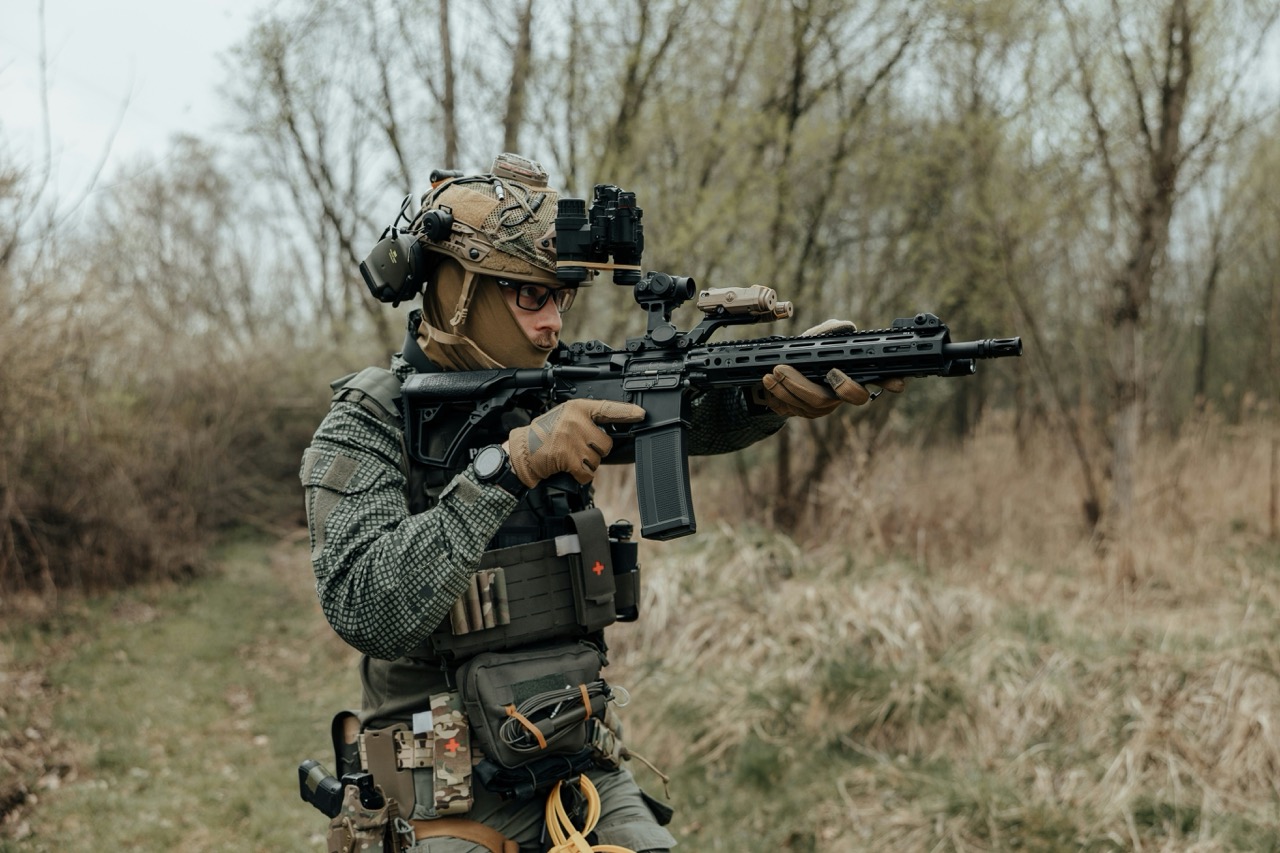
Hearing protection gets far less attention in airsoft than eye protection, and understandably so, since a single BB to the eye is an obvious acute risk while hearing damage builds up quietly over years. That doesn't make it something to ignore, particularly if you play frequently, use pyrotechnic effects, or spend a lot of time near automatic electric replicas cycling at high rates of fire in enclosed CQB spaces.
How Much Noise Is Actually a Problem
Airsoft replicas themselves are quiet compared to firearms, but that's not the whole picture. Indoor fields amplify and reflect sound, pyrotechnic simulators used in some milsim events produce genuinely loud impulse noise, and cumulative exposure across a full day of play adds up in ways a single loud moment doesn't. The occupational standard for reference is the OSHA overview of occupational noise exposure, which notes that repeated exposure at or above 85 decibels averaged over eight hours is considered hazardous, and that hearing damage from noise, once it happens, cannot be reversed. NIOSH research summarized in a review of decades of occupational hearing loss prevention findings makes the same point even more directly: noise-induced hearing loss is entirely preventable, but only if protection is used consistently rather than occasionally.
What Actually Helps
Foam or Silicone Earplugs
Cheap, effective, and easy to keep a spare set of in a pocket or pouch. The main downside for airsoft specifically is that standard earplugs muffle communication and ambient cues along with the noise you're trying to reduce, which matters when you're relying on teammates calling out contacts.
Electronic Hearing Protection
Electronic earpro, whether standalone earbuds or headset-style protection, actively amplifies quiet ambient sound like footsteps and voices while clipping loud impulse noise like gunfire and pyrotechnics. This solves the communication tradeoff that plain earplugs create and is why many regular CQB and milsim players eventually upgrade to it, particularly if they already wear a full-face mask or helmet and can integrate hearing protection into the same setup.
Fit Matters More Than Marketing
Whatever protection you choose, actual attenuation depends heavily on correct fit and consistent use. NIOSH's research notes that field-tested performance is often well below laboratory ratings printed on the packaging, largely because of inconsistent fit, which means it's worth taking the extra minute to properly seat earplugs or adjust headset cups rather than assuming any rated product will automatically deliver its advertised protection.
A Simple Habit Worth Building
- Keep a spare set of earplugs in your kit bag at all times
- Treat pyrotechnic-heavy events and long CQB sessions as higher-priority for hearing protection than a casual outdoor Saturday
- Don't wait for ringing ears or muffled hearing after a game day to start taking this seriously; by the time you notice symptoms, some damage may already be permanent
Communication Trade-Offs Worth Planning Around
The reason so many players skip hearing protection isn't ignorance of the risk, it's the very real cost to situational awareness that basic earplugs impose. Muffled footsteps, muffled callouts, and a muffled sense of direction are genuine tactical downsides in a game built around communication and awareness. This is exactly the gap electronic hearing protection is designed to close, since it can amplify quiet ambient sound while still clipping dangerously loud peaks, letting you keep the awareness benefits of open hearing without the cumulative noise exposure. If cost puts electronic protection out of reach for now, foam or silicone plugs used consistently are still meaningfully better than nothing, even with the communication trade-off.
Building the Habit
Hearing protection is one of the easiest pieces of safety gear to simply forget, since there's no field marshal checking for it the way there is for eye protection. Keeping a set permanently clipped inside a helmet, mask bag, or plate carrier pouch, rather than in a separate case that has to be remembered separately, is a small logistics fix that meaningfully increases how often it actually gets worn.
More from the blog
All posts →Essential Tools Every Airsoft Technician Should Own
A well-stocked toolbox turns gearbox surgery from a stressful gamble into a routine afternoon project.
August 26, 2026How to Clean and Maintain Your Airsoft Gun
A regular cleaning routine keeps your airsoft replica shooting straight and lasting longer, and most of it takes less time than a single game rotation.
August 25, 2026Radio Communication Basics for Airsoft Teams
A beginner-friendly introduction to using radios in airsoft: call signs, brevity, and the basic discipline that keeps a channel useful instead of chaotic.
August 24, 2026