How to Choose Airsoft Boots for Different Terrain
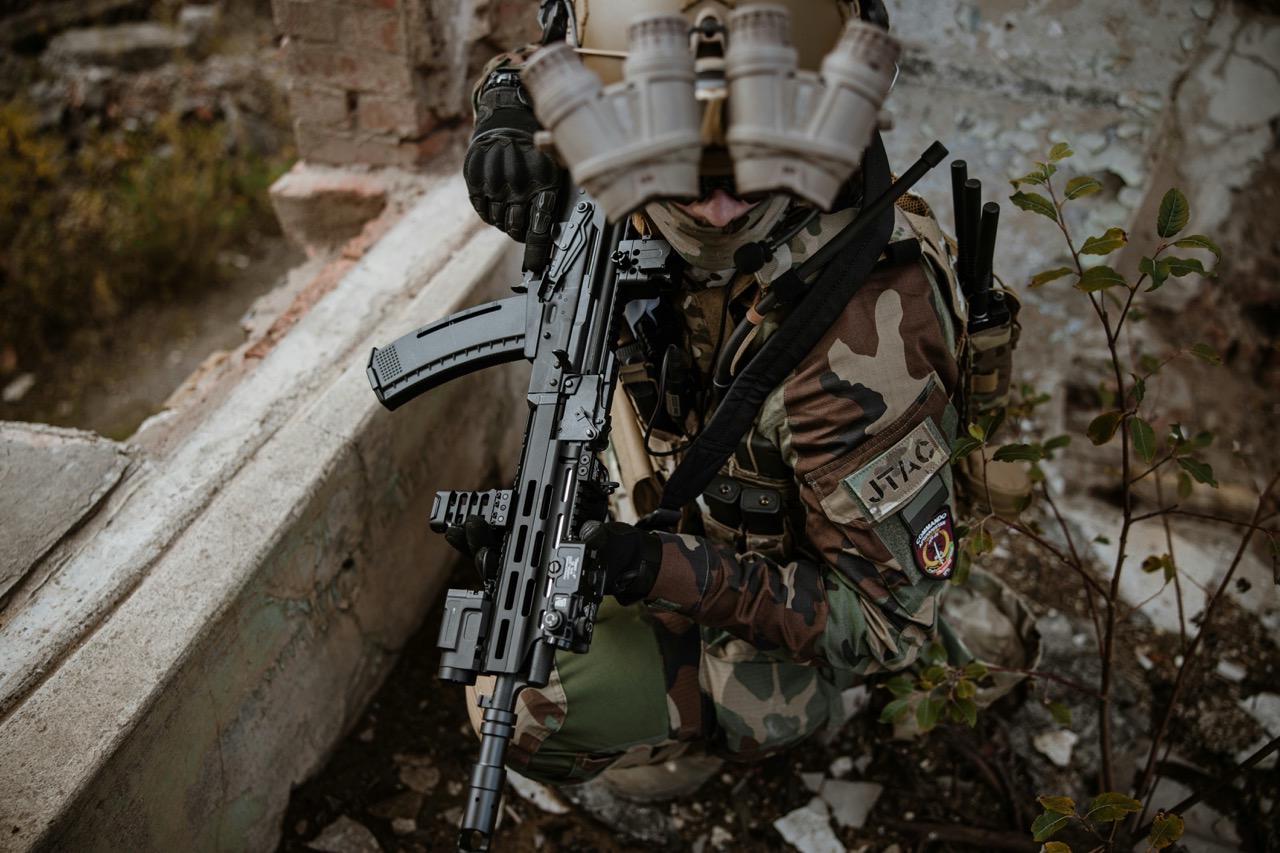
Footwear is one of the least exciting gear decisions in airsoft and one of the most consequential. A twisted ankle from the wrong boots on uneven terrain will end your game day faster than almost anything else, and unlike a lot of tactical gear, boots genuinely need to match the specific environment you're playing in rather than looking the part.
Why Foot Protection Is Treated Seriously Elsewhere
Outside of airsoft, footwear hazards are taken seriously enough to be formally regulated. OSHA's foot protection standard, 29 CFR 1910.136, requires protective footwear anywhere there's danger from falling or rolling objects, punctures, or unstable footing, and points to recognized consensus standards for what qualifies as adequately protective. Airsoft fields present a comparable mix of hazards: uneven ground, exposed roots, loose gravel, wet leaf litter, and in indoor CQB venues, slick painted concrete. None of that requires certified industrial safety footwear, but it does mean the terrain should drive your choice rather than an outfit's aesthetic.
Matching Boots to Terrain
Woodland and Uneven Ground
Ankle support becomes the priority here. A mid or high-cut boot with a stiffer ankle collar meaningfully reduces the chance of a roll on hidden roots, holes, or loose rock, especially once fatigue sets in late in a long game day and your footing gets sloppier. Aggressive tread depth also matters on wet leaves, mud, and loose soil, where a smooth or shallow-tread sole can slide out from under you on a slope.
Dry, Groomed Fields
On flatter, more maintained terrain, the ankle-support tradeoff shifts. A lower-cut boot or even a sturdy trail shoe can offer enough support while staying lighter and more breathable, which matters a lot over a hot, long day of movement.
Indoor CQB
Concrete and painted floors indoors introduce a different hazard: reduced traction, especially once floors pick up dust or moisture from players moving through. A non-marking sole with a grippier rubber compound matters more here than aggressive lugs, which can actually feel unstable on hard flat surfaces.
Fit and Break-In
- Break in new boots on casual walks or a low-stakes game before relying on them for a full competitive day; stiff new boots are a common source of blisters
- Size for the socks you'll actually wear, including thicker socks for cold-weather games
- Waterproofing matters more for woodland and wet-climate play than for dry indoor venues, where breathability is the bigger concern
None of this needs to be expensive or highly specialized. It just needs to match the ground you're actually going to be standing, running, and diving on.
Ankle Injuries Are More Common Than Players Expect
Rolled ankles and minor sprains are among the most frequent non-BB injuries reported at outdoor fields, largely because uneven natural terrain hides exactly the kind of small dips, holes, and root systems that catch a foot mid-stride. This isn't unique to airsoft; recreational activities played on variable outdoor terrain generally carry this same elevated risk profile, which is part of why footwear hazard assessment is treated as a distinct category under formal protective equipment frameworks rather than an afterthought. A boot with genuine ankle support won't prevent every roll, but it meaningfully raises the threshold of force needed to cause one, which matters over a long day when fatigue is already working against your footing.
Socks Are Part of the System
It's easy to focus entirely on the boot and forget that socks do a lot of the practical work: wicking moisture away from skin to prevent blisters, adding a layer of cushioning at pressure points, and in cold weather contributing meaningfully to overall foot warmth. A great boot paired with cheap cotton socks will still blister on a long, sweaty day, while a decent boot paired with proper synthetic or wool socks often performs better than expected. Treat sock choice as part of the footwear decision, not an unrelated afterthought.
More from the blog
All posts →Essential Tools Every Airsoft Technician Should Own
A well-stocked toolbox turns gearbox surgery from a stressful gamble into a routine afternoon project.
August 26, 2026How to Clean and Maintain Your Airsoft Gun
A regular cleaning routine keeps your airsoft replica shooting straight and lasting longer, and most of it takes less time than a single game rotation.
August 25, 2026Radio Communication Basics for Airsoft Teams
A beginner-friendly introduction to using radios in airsoft: call signs, brevity, and the basic discipline that keeps a channel useful instead of chaotic.
August 24, 2026