Knee and Elbow Pads: Do You Really Need Them for Airsoft?
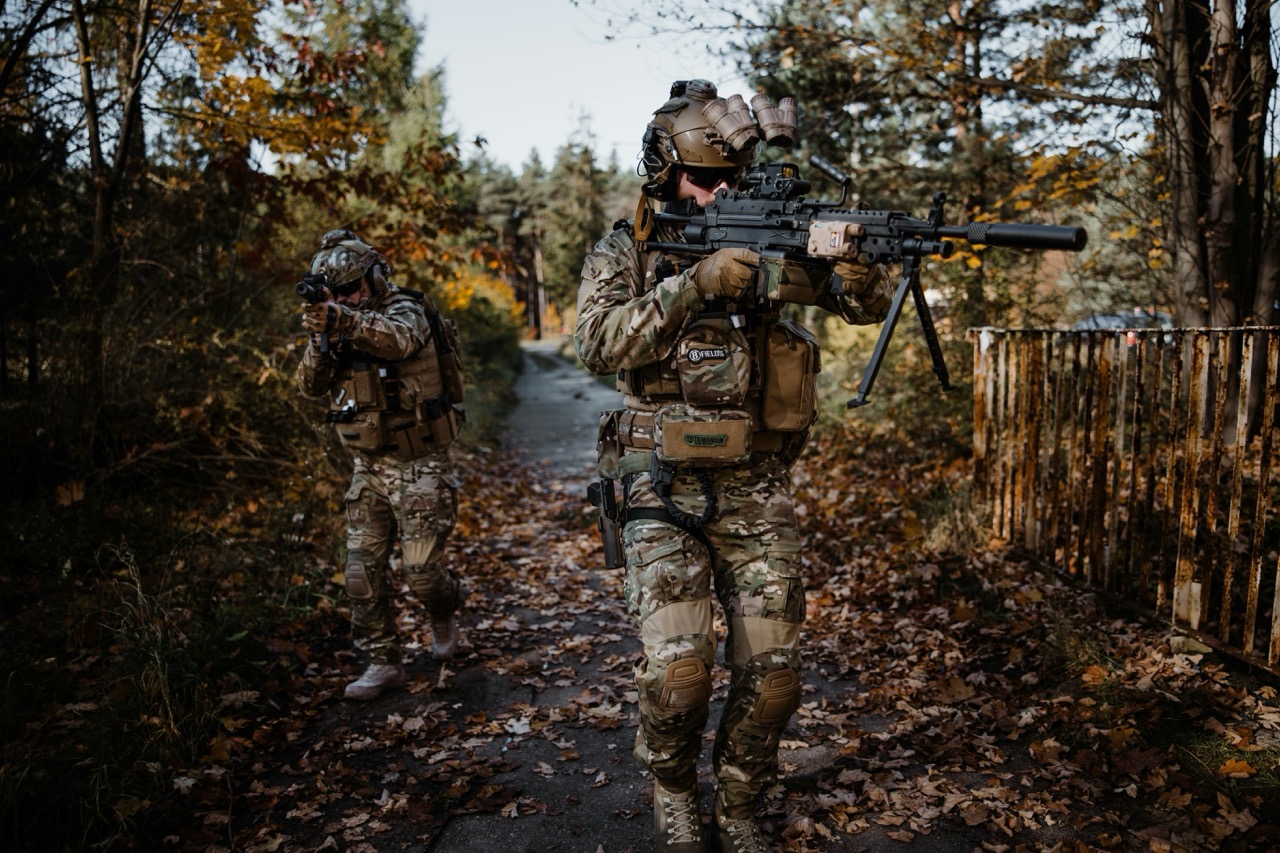
Knee and elbow pads are one of the more polarizing gear choices in airsoft. Some players consider them essential, others find them bulky and unnecessary for their playstyle. The honest answer depends heavily on how you actually play, and it's worth thinking through rather than just copying whatever loadout looks the most complete.
What They're Actually Protecting Against
Pads aren't primarily about BB impacts; a hit to a padded knee doesn't feel meaningfully different from a hit to padded pants in most cases. What pads actually address is impact and abrasion from the ground and from hard surfaces: dropping into a kneeling firing position on gravel, crawling under obstacles, diving behind cover, or moving through debris-strewn indoor CQB environments. That's a genuinely common source of minor injury in this hobby, and it lines up with the general reasoning behind protective equipment selection under NIOSH's guidance on selecting personal protective equipment: protection should be matched to the physical hazards actually present in the task, and repeated kneeling, crawling, or falling onto hard surfaces is exactly that kind of hazard.
When They're Worth Wearing
Indoor CQB
Concrete floors, tight corners, and frequent kneeling or low movement through doorways make knee pads especially useful indoors, where the ground is unforgiving and repeated positional changes are common.
Rough or Rocky Outdoor Terrain
Woodland fields with rocky ground, exposed roots, or heavy underbrush create real scrape and impact risk during dives, crawls, and quick repositioning, particularly for players who play an aggressive, close-in style.
Long Game Days With Repeated Kneeling
Players who spend a lot of time in a stationary firing position, designated marksmen and support gunners especially, often find knee pads reduce fatigue and discomfort over hours of intermittent kneeling, independent of any acute injury risk.
When They're Less Necessary
Players on soft, grassy, well-maintained fields who play a more mobile, upright style, running and repositioning rather than crawling and diving, often find pads add bulk and heat without much practical benefit. This is a legitimate reason to skip them, not a shortcut on safety; it just reflects a lower actual exposure to the hazard pads are designed for.
Choosing a Pair
- Slip-on or strap-on styles that stay in place during crawling and lateral movement matter more than rigid shell thickness
- Low-profile designs reduce the chance of pads catching on gear or obstacles during tight indoor movement
- Breathable backing matters for anyone wearing pads through a long, warm game day
There's no universal right answer here. The honest framework is to match the gear to your actual terrain and playstyle, the same principle that governs protective equipment decisions generally, rather than treating pads as mandatory or unnecessary across the board.
Elbow Pads Specifically
Elbow pads get less attention than knee pads but solve a similar problem for a body part that takes just as much abuse crawling and bracing against hard surfaces. Players who shoot from a prone position frequently, or who play a lot of tight CQB where bracing against walls and door frames is routine, tend to get more practical value from elbow pads than players who mostly stay upright. As with knees, the injury risk here is abrasion and blunt impact from the ground and surroundings, not BB impact, so the same terrain-based decision framework applies.
Recreational Injury Data Backs Up the General Pattern
Broader research into sports and recreation injuries, tracked in aggregate through CPSC's sports and recreation injury research, consistently shows that joint and impact injuries from falls and rough contact with the ground are common across outdoor recreational activities generally, not just airsoft specifically. That broader pattern supports the practical logic here: activities involving frequent kneeling, crawling, or diving onto hard or uneven surfaces carry a real, if usually minor, injury risk that padding meaningfully reduces.
More from the blog
All posts →Essential Tools Every Airsoft Technician Should Own
A well-stocked toolbox turns gearbox surgery from a stressful gamble into a routine afternoon project.
August 26, 2026How to Clean and Maintain Your Airsoft Gun
A regular cleaning routine keeps your airsoft replica shooting straight and lasting longer, and most of it takes less time than a single game rotation.
August 25, 2026Radio Communication Basics for Airsoft Teams
A beginner-friendly introduction to using radios in airsoft: call signs, brevity, and the basic discipline that keeps a channel useful instead of chaotic.
August 24, 2026