Airsoft Safety Checklist: Pre-Game Equipment Inspection
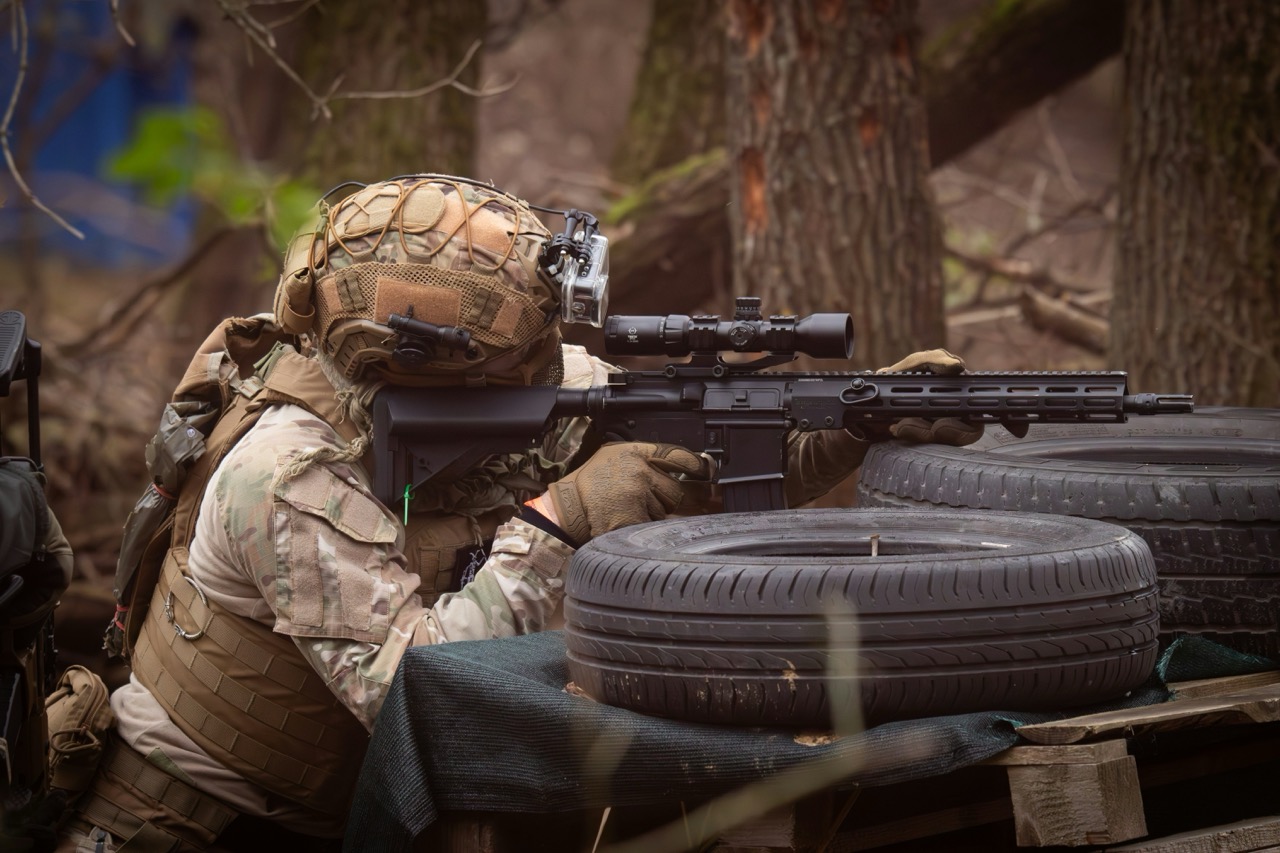
A few minutes of deliberate inspection before a game day prevents most of the equipment failures that actually cause problems on the field, from a cracked lens nobody noticed to a barrel blocking device left in a bag at home. The habit is simple to build once it's structured as a routine rather than something you rely on remembering in the moment.
Why a Checklist Beats Memory
Formal PPE programs in workplace settings are built around exactly this idea: a hazard assessment paired with a defined equipment check, rather than trusting that everyone will remember everything under pressure. OSHA's general PPE requirements place the responsibility for equipment being present, appropriate, and properly maintained on a structured process, not individual recall in the moment. Airsoft doesn't need anything as formal as an employer's written program, but the same underlying idea, a repeatable check rather than a hope that everything is fine, applies directly.
The Checklist
Eye and Face Protection
- Confirm the ANSI Z87.1 or Z87+ marking is still visible and legible on both lens and frame
- Check lenses for cracks, deep scratches, or yellowing that would compromise impact resistance, per the durability expectations behind the American Academy of Ophthalmology's guidance on preventing eye injuries
- Verify straps, foam seals, or gaskets on full-seal goggles or masks are intact with no gaps at the temple or brow
Replica and Barrel Safety
- Confirm the barrel blocking device is present and fits snugly, not just sitting loosely in a bag
- Test the safety selector engages properly and the trigger doesn't fire with the safety on
- Check chronograph documentation or field-required FPS limits if your field checks this at registration
Hands, Feet, and Hearing
- Inspect gloves for worn padding or torn seams at stress points around the knuckles and palm
- Check boots for tread wear and secure lacing, especially before woodland or wet-terrain games
- Pack hearing protection if you're playing an indoor, CQB, or pyrotechnic-heavy event
Weather-Specific Gear
- Add or remove clothing layers based on forecasted conditions, keeping cold-weather guidance around staying dry in mind for damp or cold days
- Confirm hydration gear is functional and full before a hot-weather game day
Making It a Habit
The easiest way to keep this from becoming another ignored list is to run it at the same point every time, packing the night before or unloading at the field, rather than trying to remember it mid-morning once other players are already geared up and waiting. A five-minute habit, repeated consistently, closes most of the small gaps that eventually turn into an actual injury or a rules violation on the field.
Why This Beats a Mental Checklist
It's tempting to assume you'll naturally notice a problem, a cracked lens, a missing barrel plug, before it matters. In practice, most equipment failures get noticed only after something has already gone wrong, precisely because a mental checklist is easy to skip when you're excited to get on the field or distracted by conversation with other players. A written or habitual physical checklist removes that reliance on memory in the moment, which is exactly why structured hazard-assessment processes exist in more formal safety contexts in the first place: they assume people will occasionally forget, and build the check in anyway.
Adapting the Checklist to Your Kit
Not every item on a general checklist applies to every player; a designated marksman carrying a scoped DMR has different inspection priorities than someone running a lightweight CQB loadout with no optics at all. Treat the list above as a starting framework and adjust it to reflect your actual gear: add battery charge checks if you run electric replicas, add magazine seating checks if you've had feeding issues before, and drop items that genuinely don't apply to your setup. The goal isn't to follow a rigid script; it's to build a repeatable habit that reliably catches the failure points specific to your own gear.
More from the blog
All posts →Essential Tools Every Airsoft Technician Should Own
A well-stocked toolbox turns gearbox surgery from a stressful gamble into a routine afternoon project.
August 26, 2026How to Clean and Maintain Your Airsoft Gun
A regular cleaning routine keeps your airsoft replica shooting straight and lasting longer, and most of it takes less time than a single game rotation.
August 25, 2026Radio Communication Basics for Airsoft Teams
A beginner-friendly introduction to using radios in airsoft: call signs, brevity, and the basic discipline that keeps a channel useful instead of chaotic.
August 24, 2026