Night Game Tactics: Adjusting Strategy for Low Visibility
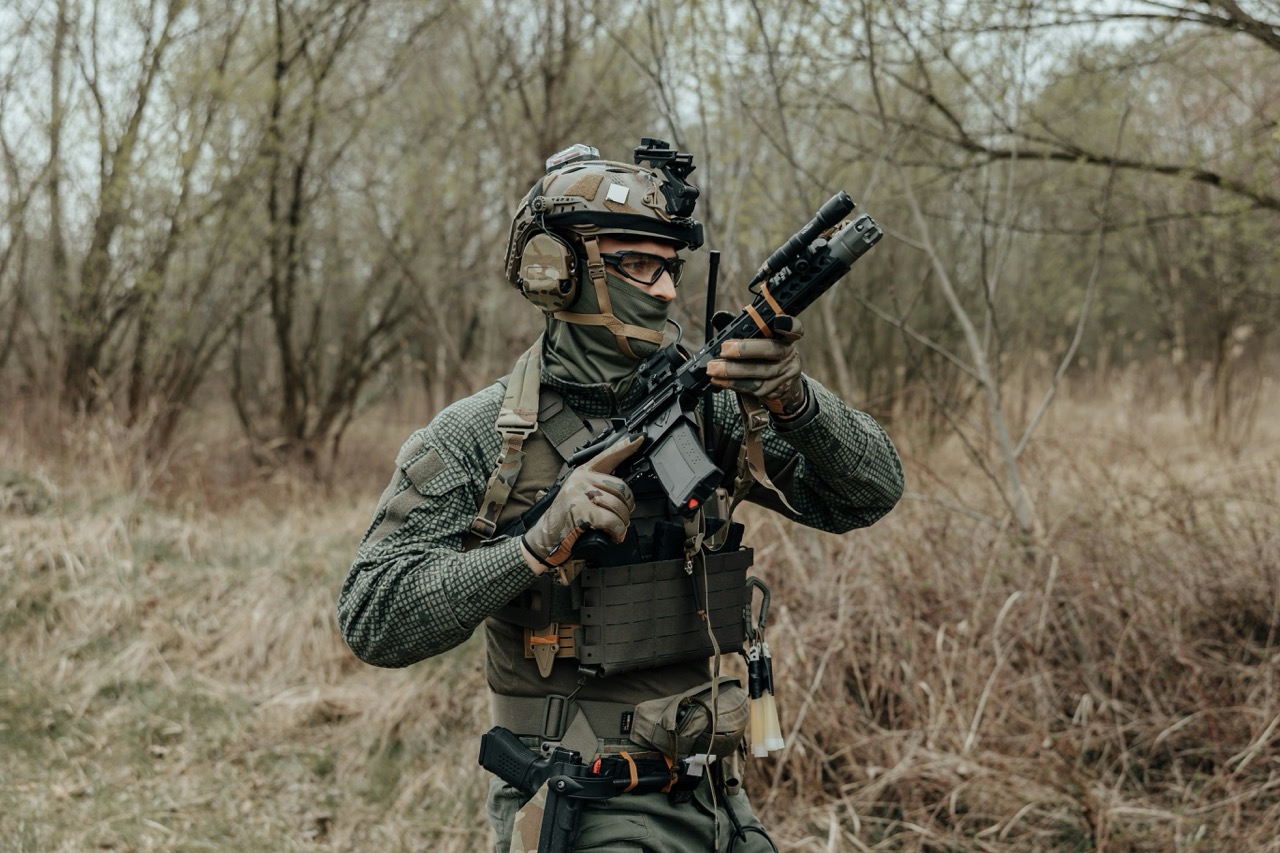
A night game rewards a different set of instincts than a daytime match, and players who simply carry their daytime habits into low light usually find themselves disoriented, easy to locate by sound, or startled by contacts they had no chance of seeing coming. Adjusting deliberately for reduced visibility changes almost every part of how a squad should move and fight.
Why Doctrine Treats This as a Distinct Skill Set
The U.S. Army's ATP 3-21.8 devotes a specific section to operating during limited visibility, treating it as a genuinely different tactical problem rather than daytime tactics performed in the dark. The core shift is that vision, the primary sense most tactics rely on, becomes far less reliable, which pushes hearing, movement discipline, and pre-planned coordination to the front of how a unit operates.
Movement Changes First
Fast, confident movement that works fine in daylight becomes a liability at night: it's harder to spot obstacles, easier to make noise crashing through unseen terrain, and easier to become disoriented about your own position relative to the rest of your squad. Slower, more deliberate movement, testing footing and maintaining closer contact with teammates, trades speed for both safety and stealth, which is usually the right trade once visibility drops.
Hearing Becomes the Primary Sense
With vision degraded, sound carries disproportionate tactical value: footsteps, voices, and equipment noise often give away a position before anyone is visually spotted. This cuts both ways. Staying quiet becomes far more important defensively, while listening actively for the same cues from an opponent becomes one of the most useful things you can do offensively. This is also part of why hearing protection choices matter specifically at night; over-isolating earplugs that block ambient sound entirely remove exactly the sensory input you're relying on most in low light.
Communication and Coordination Matter More, Not Less
Visual hand signals lose most of their value once teammates can't see each other clearly, which pushes more coordination onto verbal callouts and pre-planned actions agreed on before visibility drops. Squads that walk through a rough plan, routes, rally points, and simple verbal signals, before a night game starts tend to stay coordinated far better than squads trying to improvise the same coordination blind.
Practical Adjustments
- Slow down movement and increase spacing awareness so teammates don't lose track of each other in the dark
- Rely more heavily on pre-agreed verbal signals since visual signals mostly stop working
- Use any low-light or night vision equipment deliberately rather than assuming it fully replaces normal situational awareness
- Identify rally points and fallback plans before the game starts, since re-establishing a lost plan verbally in the dark, mid-game, is much harder than during daylight
Night games aren't simply daytime tactics with worse visibility, they're a different set of priorities entirely, and squads that plan for that difference in advance consistently perform better than squads that don't.
Eyes Take Time to Adjust
Night vision takes a meaningful stretch of time to develop once you leave a lit area, and it can be undone almost instantly by looking directly at a bright light, a phone screen, a flashlight, or even a distant floodlight. Discipline around light use matters enormously here: avoid checking phones or unshielded lights during a night game, and if a flashlight is genuinely necessary, use it briefly and be prepared for temporarily degraded vision afterward. Teams that treat light discipline casually often find their own light sources are what gives away positions long before an opponent's movement does.
Adjusting Expectations for the Format
Engagement distances tend to shrink at night simply because targets aren't reliably identifiable until much closer than they would be in daylight, which shifts a lot of night-game tactics toward CQB-style thinking even in outdoor terrain. Players expecting the same long-range engagements they're used to during the day are often surprised by how much closer contact happens once visibility drops, and adjusting that expectation ahead of time helps avoid being caught off guard by an opponent who's simply closer than daytime instincts would suggest is normal.
More from the blog
All posts →Essential Tools Every Airsoft Technician Should Own
A well-stocked toolbox turns gearbox surgery from a stressful gamble into a routine afternoon project.
August 26, 2026How to Clean and Maintain Your Airsoft Gun
A regular cleaning routine keeps your airsoft replica shooting straight and lasting longer, and most of it takes less time than a single game rotation.
August 25, 2026Radio Communication Basics for Airsoft Teams
A beginner-friendly introduction to using radios in airsoft: call signs, brevity, and the basic discipline that keeps a channel useful instead of chaotic.
August 24, 2026